
ADA remodeling in Austin can help homeowners create safer, more accessible spaces for aging in place, mobility needs, or long-term independence. Whether you are looking into handicap remodeling for a family member, researching wheelchair accessible bathroom options, or trying to figure out what it takes to age in place safely, Austin homeowners are asking the same questions every day.
Maybe you have searched for “disabled home modifications near me” or “barrier-free shower contractor in Austin.” Maybe you just typed “handicap bathroom remodel” into Google hoping to find someone who actually knows what they are doing.
We hear these questions every week. Below, we are answering the most common ones with real information, not vague sales talk, so you can make the best decision for your family.
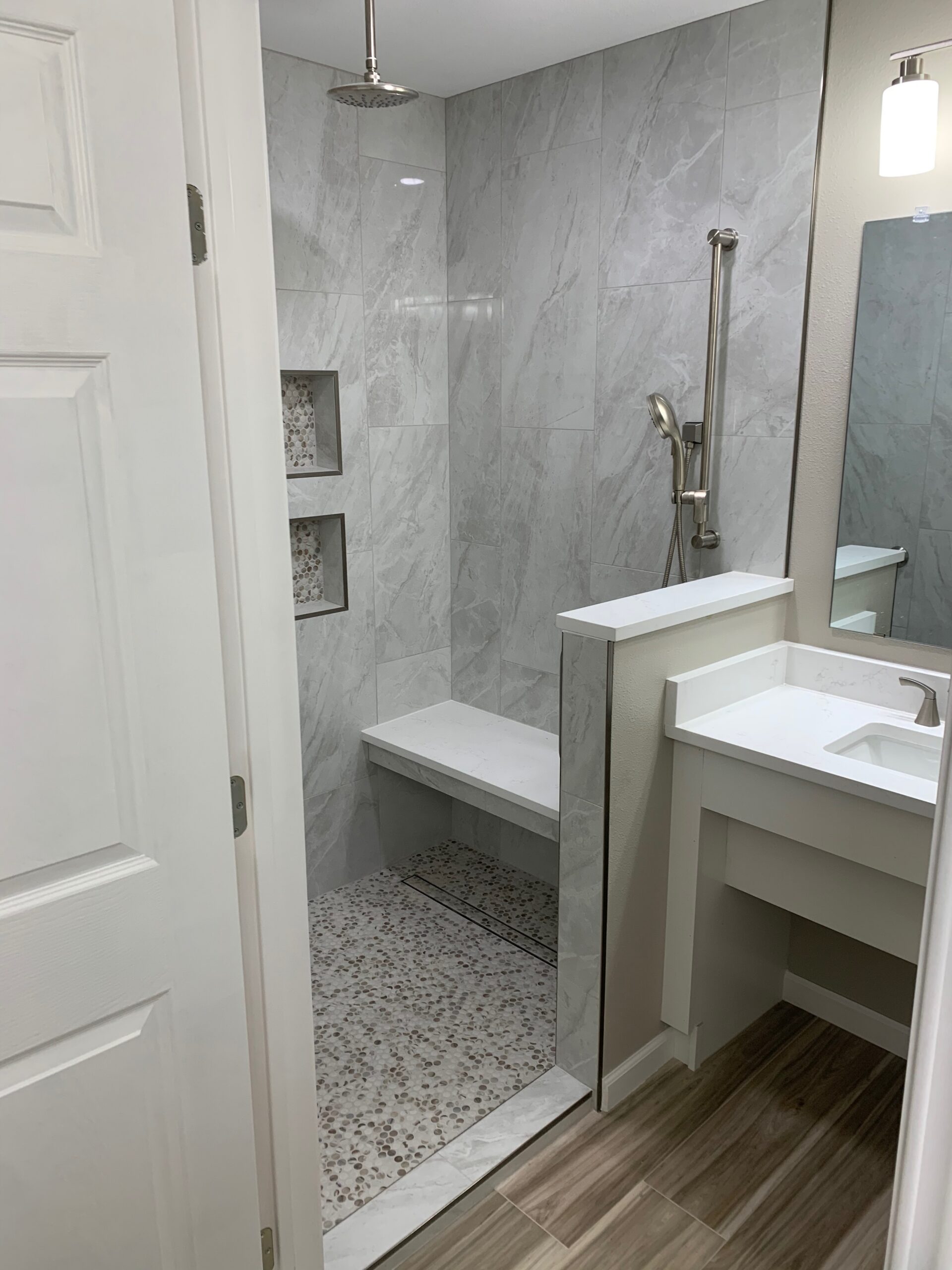
What Is ADA Remodeling?
ADA stands for the Americans with Disabilities Act, a federal law passed in 1990 that sets accessibility standards for public and commercial buildings.
Here is what most people do not realize: ADA does not legally apply to private homes. You are not required to make your house ADA compliant.
But the ADA design guidelines are the most trusted, well-researched standards for making any space safer and easier to use. When contractors talk about an “ADA remodel” on a home, they mean applying those same proven measurements and safety principles to your bathrooms, kitchen, doorways, and entryways, even though it is voluntary.
The goal is simple. Make your home work better for the people who live in it, no matter their age, mobility level, or physical ability.
You might also hear this type of work called handicap remodeling, accessible home modifications, disability remodeling, or barrier-free construction. These all describe the same idea: using proven safety standards to make your home easier and safer to live in.
What Is the Difference Between ADA Remodeling and Aging in Place?
This one comes up a lot.
ADA remodeling focuses on applying specific accessibility standards. Think exact doorway widths, grab bar placement heights, toilet seat heights, and wheelchair clearance zones. It follows the technical framework published by the U.S. Access Board.
Aging in place is the broader goal. It means modifying your home so you can live there safely and independently as you get older, without having to move to assisted living. Aging in place projects often use ADA guidelines as the foundation, but they also include things like better lighting, non-slip flooring throughout the house, first-floor bedroom access, and smart home features.
A concept called Universal Design takes it even further. Universal Design means building a space that works for everyone, regardless of age, size, or ability, so your home is comfortable for you today and still functional 20 years from now.
Think of it this way: ADA is the framework. Aging in place is the outcome. A good contractor understands both and uses them together.
What Does an ADA Bathroom Remodel Include?
Every ADA remodeling Austin project is different, so the best solutions depend on the homeowner, the existing layout, and the scope of work. The bathroom is where most of these projects start, and that makes sense. It is the most dangerous room in the house for falls, especially for adults over 65.
Here is what a proper accessible bathroom remodel typically includes:
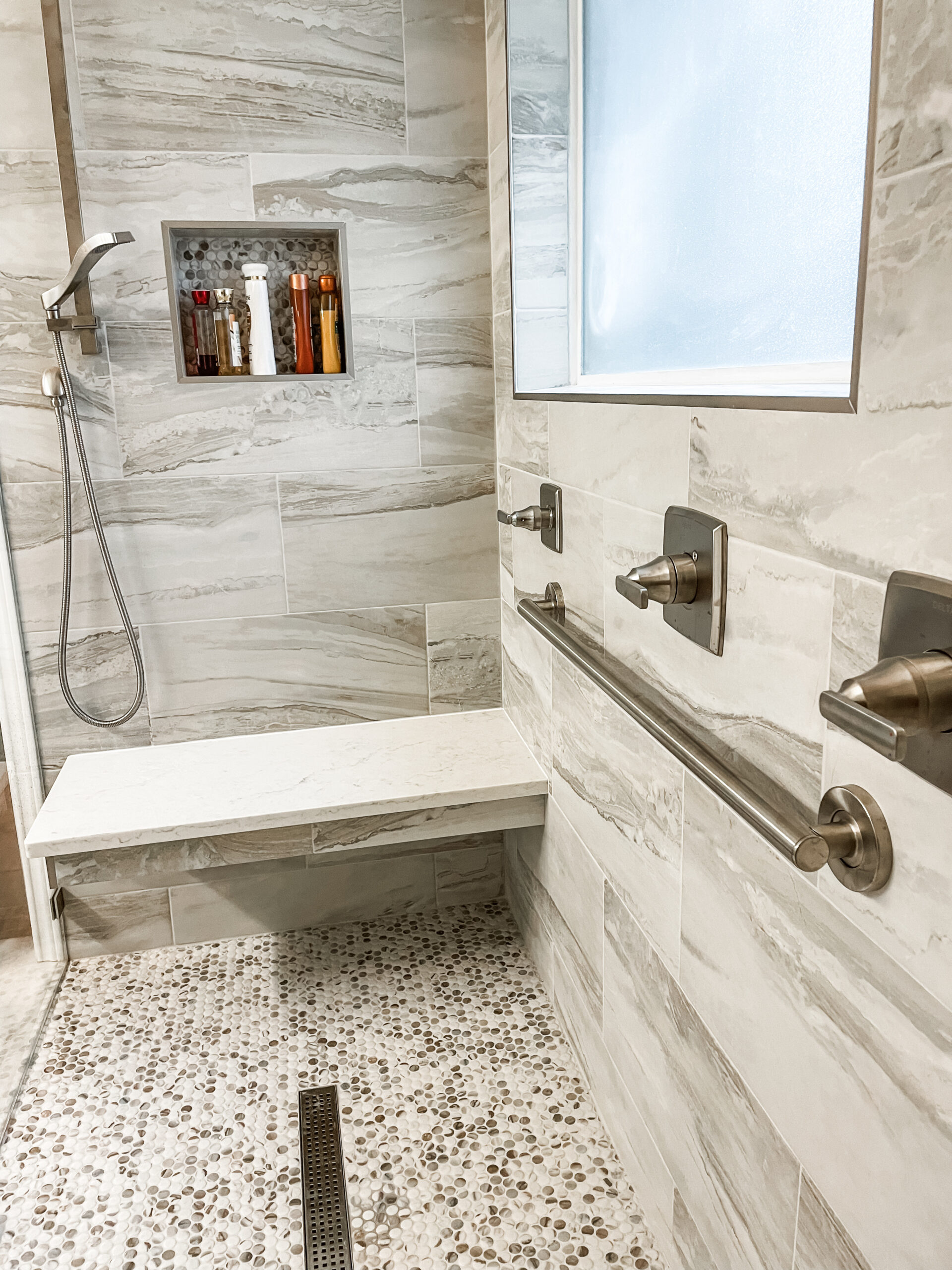
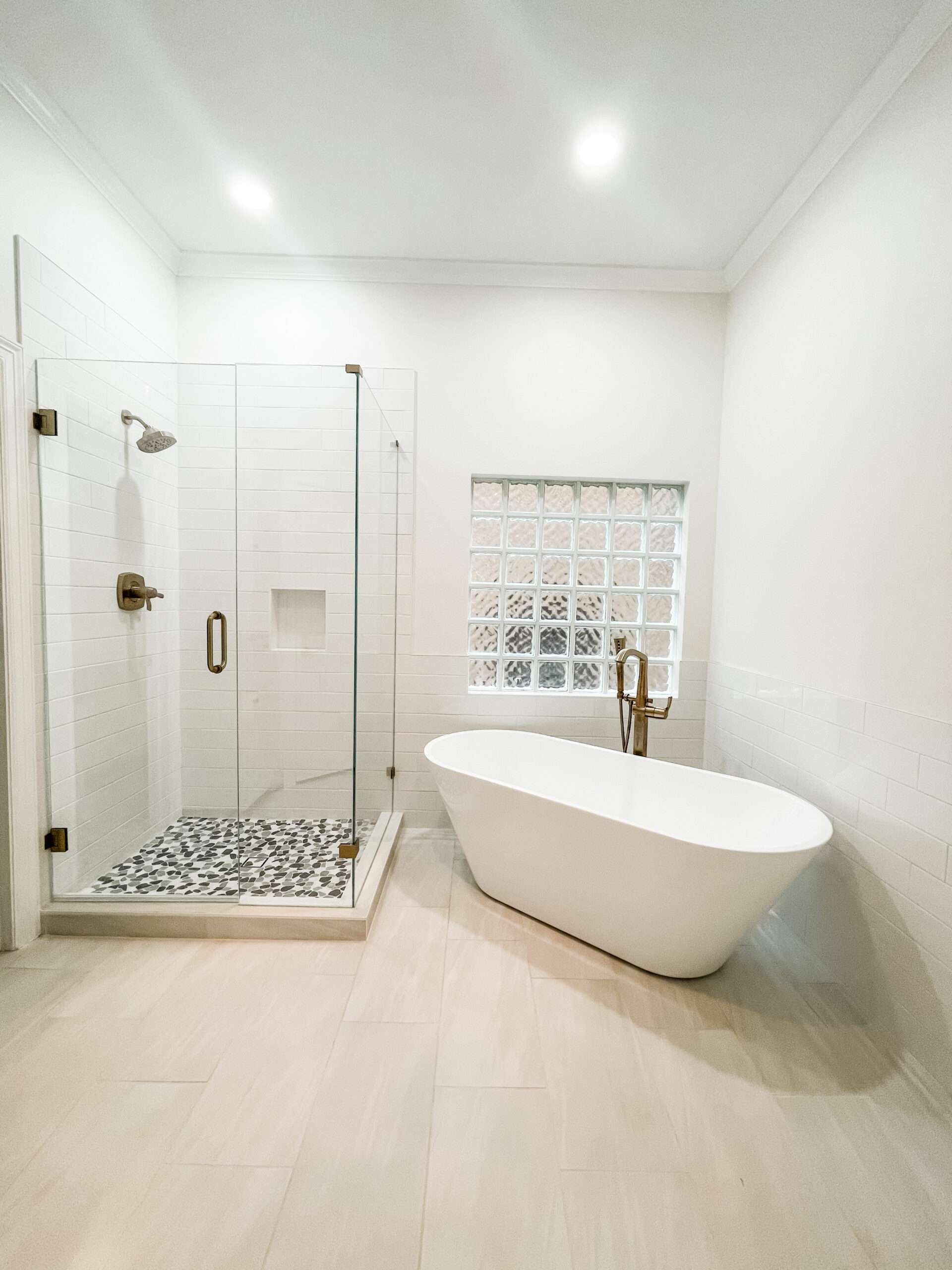
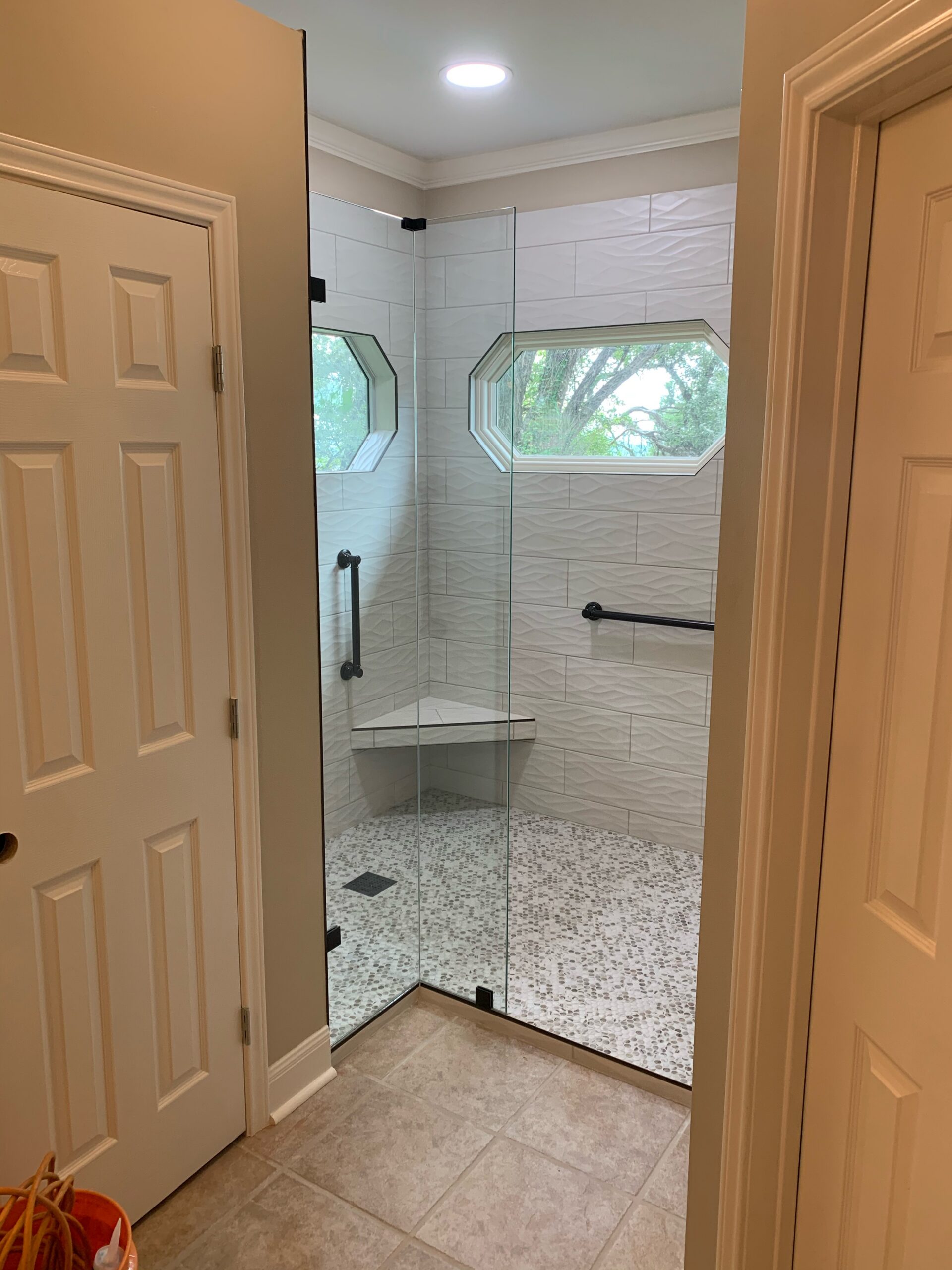
Curbless (Walk-In) Shower
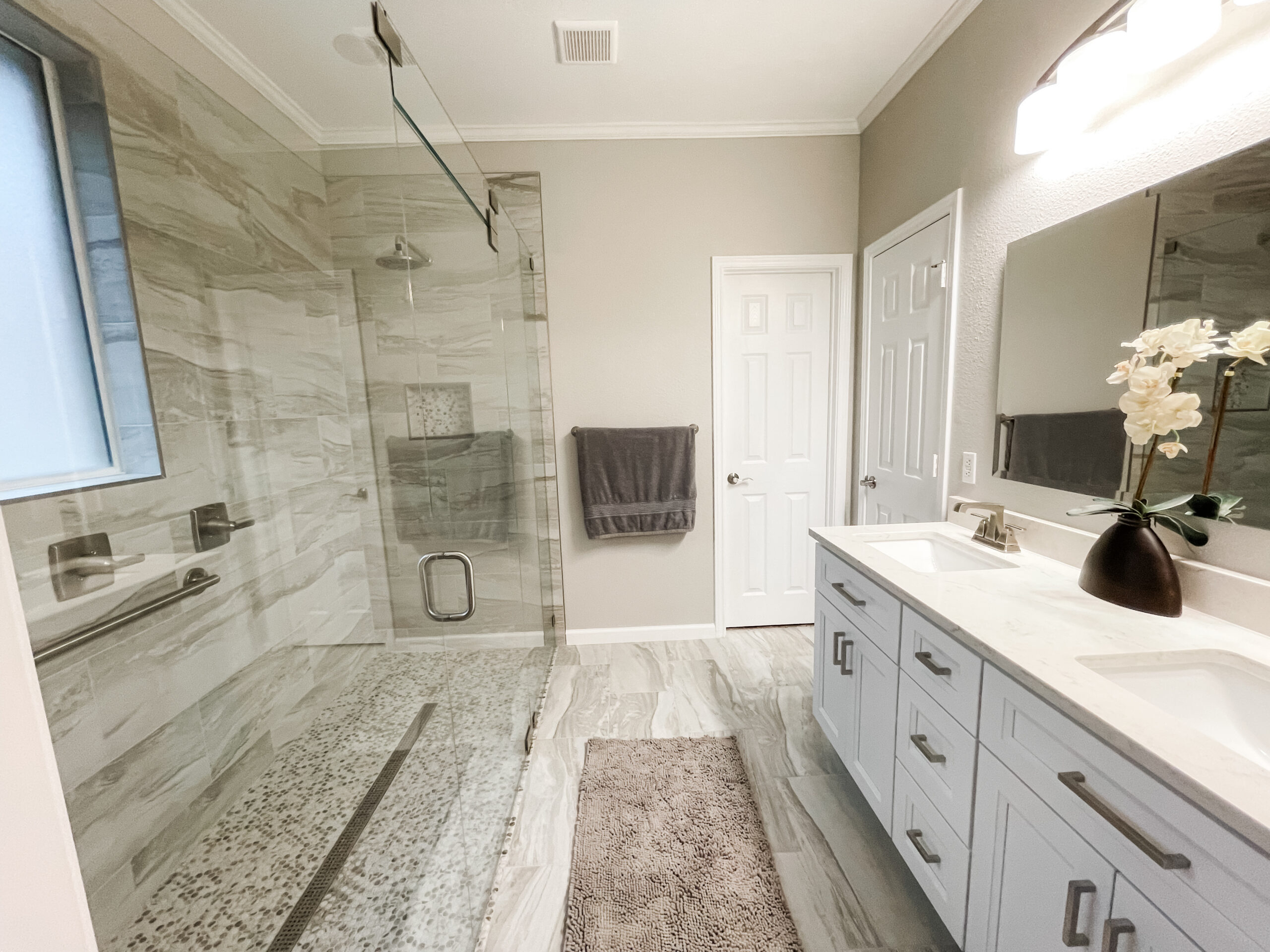
Also called a barrier-free shower, roll-in shower, or walk-in shower for seniors, this is the single most important upgrade in an accessible bathroom. A standard bathtub requires you to step over a high wall to get in. That is the number one fall risk in the bathroom. A curbless shower removes the barrier entirely, so you can walk straight in or roll in with a wheelchair. Recommended minimum size is 36 by 60 inches for a walk-in with a bench, or 60 by 60 inches for a full wheelchair accessible bathroom layout.
Grab Bars
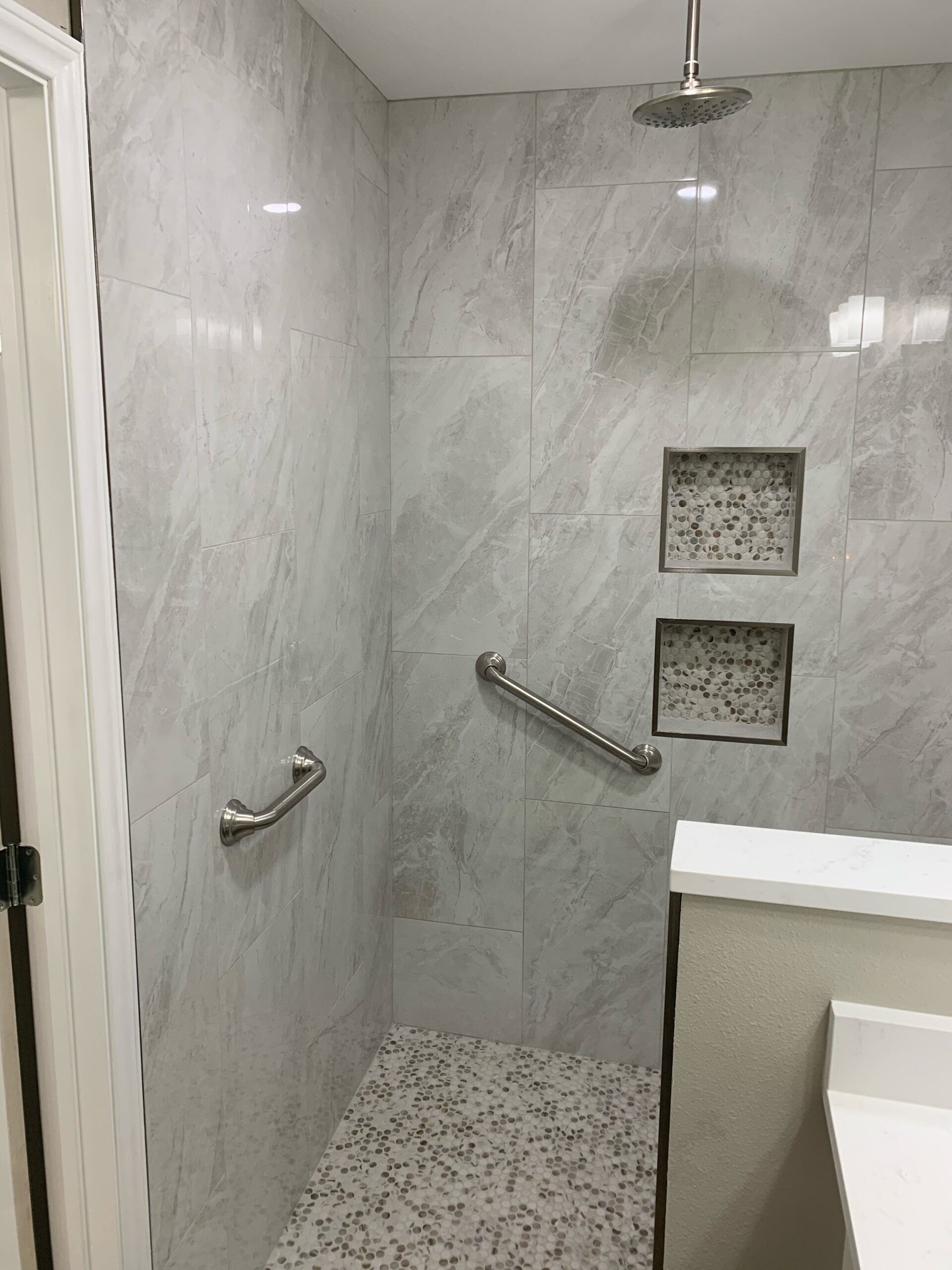
Grab bars should be installed near the toilet, inside the shower, and at the shower entrance. They must be anchored into wall studs or blocking and rated for 250 pounds or more. A standard towel bar is not a grab bar. It will pull out of the wall if someone grabs it during a fall.
Pro tip from our team: If you are remodeling now but do not need grab bars yet, have your contractor install wood blocking behind the drywall in key locations. That way, grab bars can be added later in minutes instead of requiring another construction project.
Comfort-Height Toilet
Standard toilets sit at about 15 inches. An ADA-height toilet (also called comfort height) sits at 17 to 19 inches, which is much easier to sit down on and stand up from, especially for anyone with hip or knee problems.
Wider Doorways
Many older homes in Austin have 28 or 30-inch bathroom doors. If you are making the space wheelchair accessible or need room for a walker, ADA recommends at least 32 inches of clear width, with 36 inches being ideal. Door widening is one of the most common parts of a handicap bathroom remodel and makes a huge difference in daily use.
Slip-Resistant Flooring
The floor needs to be safe when wet. ADA-recommended options include textured tile, anti-slip vinyl, and rubber flooring. Polished surfaces like smooth porcelain look great but can become extremely slick in a bathroom.
Lever-Style Faucets and Handles
Round knobs require grip and twisting, which is painful or impossible with arthritis. Lever handles and touchless faucets are ADA compliant and work for everyone.
Whether you are planning a full handicap accessible bathroom remodel or just need a few key modifications like a walk-in shower and grab bars, our team can help. See our bathroom remodeling page for photos and details.
How Much Does a Handicap Remodel or ADA Remodel Cost in Austin?
Whether you are searching for “handicap remodeling cost” or “ADA bathroom remodel price Austin,” the honest answer is it depends on the scope. Here are realistic ranges for the Austin metro area in 2026:
- Curbless shower conversion: $5,000 to $12,000+
- Doorway widening (per door): $500 to $1,500
- ADA-height toilet replacement: $400 to $800
- Full accessible bathroom remodel: $15,000 to $40,000+
- Full accessible kitchen remodel: $25,000 to $60,000+
These are investments that pay for themselves. A properly done aging in place remodel increases resale value, prevents costly hospital visits from falls, and eliminates or delays the need for assisted living, which averages over $4,500 per month in Texas.
How Long Does an Accessible Bathroom Remodel Take?
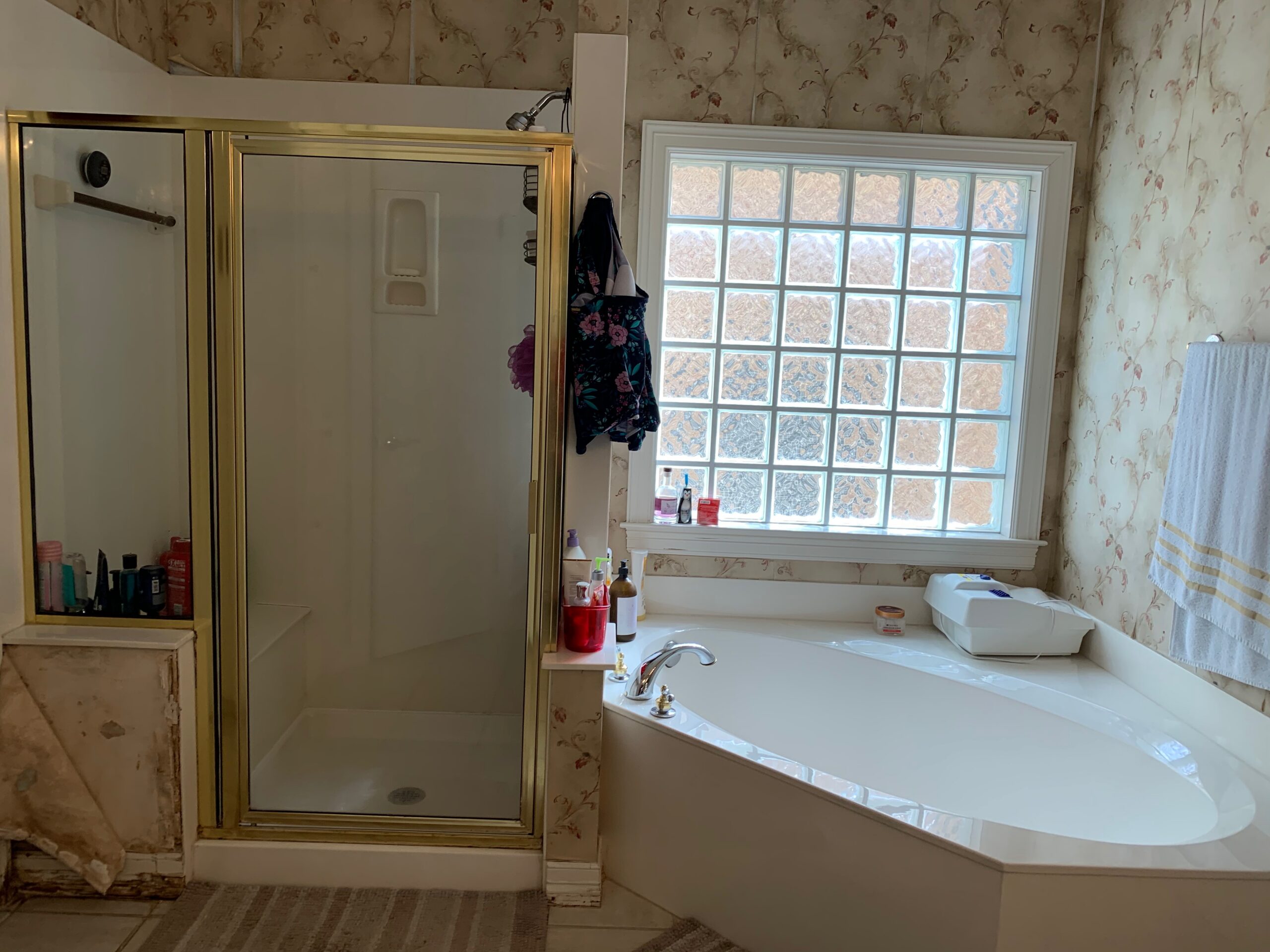
For a single bathroom conversion, most projects take 3 to 5 weeks from demo to completion. Larger projects that involve multiple rooms, structural changes, or custom tile work can take 6 to 10 weeks.
Timeline depends on the complexity of your project, permitting requirements in your area, and material lead times. During your free consultation, we will give you a realistic timeline based on exactly what your home needs.
Do I Need a Handicap Remodel or ADA Remodel If I Am Not Disabled?
Not at all. You do not need to have a disability to benefit from accessible home modifications. Most of our aging in place clients are actually people in their 50s and 60s who are planning ahead, not reacting to an emergency.
Whether you call it a handicap remodel, a senior bathroom remodel, or an accessibility upgrade, the work is the same: making your home safer for the long term.
Common reasons homeowners in Austin start thinking about these modifications:
- You or your spouse have had a hip or knee replacement (or one is coming)
- A parent is moving in and uses a walker or wheelchair
- Getting in and out of the bathtub feels less safe than it used to
- You want to stay in your home long-term and avoid the cost of assisted living
- You had a fall or a close call and realized your bathroom is not set up safely
The NAHB’s Certified Aging-in-Place Specialist (CAPS) program teaches that proactive remodeling is almost always safer and more affordable than emergency renovations after an accident.
What Should I Look for in a Handicap Remodeling Contractor or ADA Contractor in Austin?
Not every general contractor understands accessibility work. Whether you are searching for an “ADA contractor near me,” a “handicap remodeling contractor in Austin,” or an “accessibility contractor near me,” the key is finding someone with real experience in disabled home modifications, not just general renovation skills.
Here is what you want to see:
Experience with Accessibility Projects
Ask to see photos of past ADA or aging in place remodels. A contractor who has actually done this work will have a portfolio to show you. If they say they “can do it” but have no examples, keep looking.
Design-Build Capability
The best results come from a team that handles both design and construction under one roof. This is especially important for accessible remodels, where every inch of clearance matters. Look for a contractor that offers 3D renderings so you can see and approve the layout before construction starts.
Knowledge of Local Codes
Building codes vary across Central Texas. A contractor working in Austin, Buda, Kyle, Bee Cave, Dripping Springs, and Westlake Hills needs to know the permitting requirements in each area and handle the paperwork for you.
The Right Questions
A good ADA contractor will ask you detailed questions during the consultation. Not just about what you want changed, but about your daily routine, mobility challenges, and future plans. If a contractor walks in and immediately starts talking about tile colors without understanding how you actually use the space, that is a red flag.
Why Is Austin Seeing Such High Demand for Aging in Place Remodeling?
The numbers tell the story. According to Austin Free Press, adults over 65 are now the fastest-growing population segment in the city. The Texas Tribune reports that Texas is aging faster than the national average, and Elder Options of Texas projects that over 20 percent of the state’s population will be over 60 by 2030.
Nationally, the U.S. Census Bureau found the 65-and-older population grew 3.1 percent in a single year.
Austin’s housing stock is also a factor. Many homes in South Austin, Buda, Kyle, and the Hill Country communities were built decades ago with standard 28-inch doors, step-in tubs, and narrow hallways that make wheelchair access impossible. As homeowners age and the population grows older, the demand for contractors who specialize in handicap accessible home modifications, barrier-free showers, and roll-in shower installations is surging.
Can an ADA Remodel Increase My Home’s Value?
Yes. Wheelchair accessible bathrooms, curbless showers, wider doorways, first-floor master suites, and lever hardware all appeal to a wider range of buyers and often appraise higher. In a market where the senior population is booming, handicap accessible features are not a niche anymore. They are a selling point.
Even if you never plan to sell, consider the financial math. A $25,000 bathroom remodel that allows you to stay in your home instead of moving to assisted living at $4,500 per month pays for itself in under six months.
What Rooms Should I Prioritize for an Aging in Place Remodel?
If you cannot tackle everything at once, here is how most accessibility professionals say to prioritize it:
- Bathroom – the highest-risk room for falls and injuries. Start here.
- Entryways – zero-step access or a ramp at the primary entrance
- Kitchen – pull-out shelves, lever faucets, better lighting, and adjusted counter heights. See our Austin kitchen remodeling page for ideas.
- Hallways and doorways – widen to 36 inches for mobility devices
- Bedroom – move to the first floor if possible, add grab bars or transfer poles
- Lighting throughout – motion-activated lights in hallways, stairways, and bathrooms
Ready to Talk About Your Home?
At Pro Tech Construction, we have spent over 45 years helping Austin-area homeowners with handicap remodeling, ADA bathroom remodels, aging in place modifications, and full accessible home renovations.
For our family, accessible remodeling is personal. We have a disabled family member, so we do not just understand ADA guidelines from a textbook. We live with the daily reality of what accessible design means for a family. That perspective shapes every project we take on, from the measurements we choose to the questions we ask during your first consultation.
As a family-owned, design-build contractor, we handle everything from 3D design renderings to final inspection, so your project stays under one roof with one team you trust.
We serve homeowners across South Austin, Buda, Kyle, Dripping Springs, Bee Cave, Westlake Hills, Lakeway, Wimberley, San Marcos, and the surrounding Central Texas communities.
Schedule your free ADA remodeling consultation today.
Call us at (512) 720-8303 or visit our ADA Remodeling page to get started. Whether you need a wheelchair accessible shower, a full handicap bathroom remodel, grab bars and safety modifications, or a complete aging in place renovation, we are here to help. No pressure, no obligation. Just honest answers from people who have been doing this longer than most.